The Wisdom of WOC is a monthly advice column where the WOC Community can submit its questions about fundraising and philanthropy, and have them answered by our founder, Yolanda F. Johnson, and special guest editors from the WOC community.
From Our Mailbag
Q: You have been recognized as a “Unifier” for creating alum experiences that bring people together. What does true belonging look like in advancement work, and how can fundraisers move beyond surface-level engagement to build communities that feel genuinely valued?
A: Thank you for inviting me to share my perspective for this month’s Wisdom of WOC! I’m proud to have supported Women of Color in Fundraising and Philanthropy as a member of the Founder’s Circle and to celebrate WOC’s fifth anniversary.
I was elated to be recognized as a Top 50 Champion for Advancement by Almabase. This honor acknowledges professionals who lead with empathy and purpose, creating community through intentional relationship-building. In my role as Director of Affinity Engagement at Vassar, building relationships is at the heart of what I do.
When people talk about belonging, it often means different things. For me, belonging isn’t something we declare. It is something people feel. True belonging comes from the sentiments our community members experience after we've taken the time to understand their needs and remove barriers that might cause harm or exclusion.
So, what does true belonging look like? There are some clear indicators. For instance, people feel valued when they see themselves reflected in an organization’s history and stories. They feel appreciated when they can show up as their authentic selves without fear of judgment. They feel valued when their feedback is taken seriously and acted upon, not just collected.
Think about how communication plays a role. When messages are personal and genuine, and language respects people's identities, that makes a big difference. It’s important that individuals are invited to help shape events rather than merely attend them. Active listening is key; when staff really listen and incorporate their ideas and suggestions, this builds trust.
Whether you're engaging with alums, donors, or community partners, take the time to learn the histories of the groups you’re working with. Understand what they aspire to and where their needs may differ from your institution’s goals. Remember, trust isn’t built overnight; it takes time and meaningful conversations.
To move beyond the surface and build deeper, more authentic relationships, I suggest asking questions that invite truth-telling. If you want to understand what creates belonging, ask:
“What would make you feel most welcome in this space?”
“When have you felt invisible or ignored in the past?”
“What stories do you wish we were telling?”
Listening to those answers gives you valuable insights into what to strive for and what to avoid repeating. That’s when belonging shifts from just an idea to something people truly feel.
Q: At Vassar, you have expanded affinity engagement beyond identity-based groups to include communities formed around shared passions and life experiences. What mindset shifts are required to design engagement strategies that are inclusive without becoming diluted or impersonal?
A: At Vassar, I have expanded our thinking about affinity engagement. It’s not just about bringing together identity groups based on race or orientation. Affinity, at its core, is about that feeling of connection you get when you meet someone who shares your experiences or your passions. The Council for Advancement and Support of Education, or CASE, describes engagement as building relationships that last, matter to both sides, and move an institution’s mission forward. That definition resonates with me because it reflects how this work unfolds over time.
Affinity engagement connects alums to Vassar and to each other not only through shared identities but also through shared interests, cultural backgrounds, and academic disciplines. For example, we recently launched a Campus Partnerships-Alum Engagement Fund. This allows faculty members who are already traveling to academic conferences to host small gatherings for alums in their field. We just hosted a Neuroscience social in San Diego and a Biology mixer in Portland. These were simple, focused opportunities for alums who majored or minored in these disciplines to connect.
We also bring alums together based on shared interests. That includes engaging our alum-athletes by bringing them back for games and team mixers. Last year, we held a 45th-anniversary homecoming for the Vassar Repertory Dance Theatre, bringing together generations of dancers. I’ve also designed an event for veterans, creating space for student, alum and employee veterans to reconnect around their shared military service. We held a gathering at the Alumnae House that emphasized the House as a “Forever Home” for veterans, where they could connect with peers and feel welcome and supported¹.
When I design these experiences, I am not designing them for a broad-based audience. I am designing with a particular group in mind.
The key to being inclusive without becoming diluted is to design with specificity, not for everyone at once. Dilution happens when you try to make one thing work for everyone. True inclusivity happens when you give each group focused moments designed for them and experiences that honor what makes their community distinct while still connecting them to the larger institution.
Q: Your work centers on curating experiences where people feel recognized and valued. What are a few practical ways advancement professionals, especially those with limited budgets or small teams, can create meaningful connections at scale?
A: Whether you’re at a small nonprofit, healthcare organization, or community foundation, you can design intentional experiences even with limited resources. I lead affinity engagement largely on my own, with support from a student intern and a shared office specialist. My team is small, but we make a significant impact through thoughtful, intentional engagement.
Curating experiences where people feel valued is about creating interactions that show care, thoughtfulness, and respect. Here are some practical ways to do this with a small team and budget, starting with collaboration:
Collaborate with partners
If staff or funding is limited, identify allies who can help extend your reach. For instance, I recently partnered with a campus colleague to co-host a regional gathering in New York City. In your sector, this could mean teaming up with other community organizations, local clinics, or peer foundations to host joint events or share resources. By collaborating with others who are already doing the work, you can amplify your impact.
Create intentional annual touchpoints
Since I’m unable to hold big events for every group, I’ve developed a calendar of annual touchpoints to help ensure no one feels overlooked. This might be as simple as social media posts that recognize milestones. The key point is consistency and showing that you are thinking about the people you serve throughout the year.
Showcase stories
Sharing personal stories is a powerful way to connect. Highlight staff, volunteers, community members, or clients in newsletters or on social media. When you take time to publicly recognize people, that says: we see you, we’re proud of you, and we’re cheering you on!
Create peer-to-peer opportunities
People want to connect with one another. Sometimes the most meaningful engagement happens when you simply create a space for people to gather and talk. You don’t need a fancy venue or hefty budget for this. It could be a casual coffee chat, a virtual happy hour, or a small group discussion.
In healthcare or social justice settings, even a short storytelling circle or discussion around shared experiences can build trust and community without requiring a large budget. When individuals can share their experiences with others who understand them, that fosters a sense of belonging.
By integrating these strategies, you can cultivate close relationships and create lasting connections, even with limited resources.
Q: As someone whose work bridges strategy, culture, and care, how do you balance data-driven advancement goals with the relational, human-centered work of community building?
While some people may think that data-driven advancement goals and relational, human-centered work are at odds, I have found they actually support each other. For me, data and relational work go hand in hand. When used correctly, data can make us more human-centered by guiding understanding, helping us notice patterns, and signaling where attention is needed. It can show us who is present and who might be missing, among many other insights.
I use data to identify patterns and gaps, but I rely on conversations and observation to understand what those patterns really mean. A dashboard or report on its own is just a tool. In the hands of an engagement officer or fundraiser who leads with care, data becomes a springboard for connection.
Advancement goals like attendance and giving are important, but they don’t capture the whole picture. I also pay attention to what people are experiencing. After events, I check in with staff and alums I work closely with, those who know their peers well and help with program outreach, to ask questions like:
What did you notice?
Did people linger and talk to each other?
Who connected with whom?
Were there moments of joy or other emotions?
Did anyone seem left out?
Did people exchange contact information?
These observations show me how people connected and participated, beyond who was in the room.
When I report on our progress, I often incorporate stories. Data might show that fifty people attended an event, but the story tells you what that experience was like for them. The data gives you the headcount, but the story tells you that people who had been estranged for decades reconnected at that event and found a path toward deeper involvement.
If we treat people well and honor their humanity first, the metrics will follow. Building deep, authentic connections takes time. The results may not always appear immediately in monthly reports, but over time, they lay the foundation for relationships that endure.
Q: For women of color working in fundraising and philanthropy, what wisdom would you share about leading with authenticity while navigating institutions that may not always be built for us?
A: First, I must acknowledge that women of color have been present in predominantly white institutions as workers who built, sustained, and cared for these places. At my own workplace, examples of the past and present include the Inclusive History initiative, which documents the experiences of workers, students, and community members of African descent, Indigenous peoples, Latine, Asian and Pacific Islander, and other communities of color², and the Buildings and Belonging project, which honors the laborers, groundskeepers, researchers, administrative assistants, and scholars of African descent who worked, studied, and lived at the College³. The Garden for Black Lives, established as a reflective space for the community, recognizes the contributions of Black people to the College, past and present⁴.
These institutions may not have been built for us, but we have been present since many of them were created. Today, we aren't just building their legacies through advancement; we're transforming them by raising funds, cultivating relationships, and ensuring these institutions serve communities that were once excluded.
Here are a few lessons I’ve found useful for leading authentically in these spaces:
Trust Yourself
Doing this work requires both courage and grace. Your lived experience offers unique insights that your institution needs. Leading with authenticity means honoring your own voice and ways of being, even when they differ from the dominant culture.
Build Support Networks
Seek out mentors, allies, and peers who truly understand your journey. Staying active with WOC and similar communities provides the strength and solidarity you need when challenges arise.
Protect Your Energy
Set boundaries and prioritize your well-being. I believe in holistic care, which led me to found the Circle of Well-Being for Vassar employees. Give yourself permission to rest when you need it and to protect your peace.
Advocate for Change
As you move through your career, advocate for change if that feels right for you. Pace yourself, knowing that small, consistent acts can shift cultures over time. Change often comes gradually, but every step contributes to the broader legacy we are creating as women of color.
Sources
1. Home Base at Vassar: Veterans Gather at the Alumnae House - https://www.vassar.edu/news/home-base-vassar-veterans-gather-alumnae-house
2. Inclusive History initiative - https://www.vassar.edu/inclusive-history
3. Buildings and Belonging project - https://www.vassar.edu/buildings-and-belonging
4. Garden for Black Lives - https://www.vassar.edu/news/vassar-cultivates-enduring-celebration-black-lives
This Week’s Expert
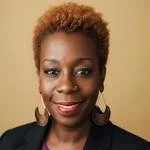
Sharon Parkinson
Advancement Leader
Vassar College
Sharon Parkinson is an advancement leader at Vassar College, where she leads affinity engagement strategy within a global community of more than 42,000 alums. Her work focuses on designing and facilitating opportunities that engage alums based on their shared interests, identities, academic backgrounds, and affiliations. She unites a wide range of graduates, including alum-athletes, performing artists, veterans, LGBTQ+ alums, first-generation graduates, and members of cultural and ethnic groups, connecting them with one another and with the college.
With more than 18 years in higher education advancement, Sharon brings a unique, data-informed perspective to engagement, drawing on her extensive background in prospect development and research. She spent 16 years advancing from Research Analyst to Senior Associate Director of Prospect Development before transitioning to Engagement in 2022.
Sharon was recognized as one of Almabase's 2025 Top 50 Champions in Advancement in the "Unifier" category, honoring leaders who build community through empathy, purpose, and intentional relationship-building. Her work has also earned a Northeast Alumni Relations (NEAR) award for Best Virtual Event.
Beyond her role, Sharon is the founder and chair of Vassar's Circle of Well-Being, a college-wide employee community she established in 2022 to address the need for connection and support after returning to in-person work following the COVID-19 shutdown. The Circle focuses on holistic well-being (social, physical, and emotional) by introducing colleagues to existing resources and creating activities that ensure they feel valued and supported. Through gatherings for conversation, journaling, and movement, the Circle provides a dedicated space for faculty, administrators, and staff to practice staying present and compassionate with themselves and each other.
Sharon is a proud Founder's Circle member of Women of Color in Fundraising and Philanthropy (WOC), celebrating five years of membership as the organization marks its fifth anniversary. You can follow her visual and written musings on LinkedIn.
Got a Question?
Got a question about fundraising or philanthropy? Are you a woman of color non-profit professional with a question on career growth? Don’t be shy! We’ve got the answers. Send them our way.